
Being a landlord in the UK means more than just collecting rent. With tightening regulations and increased enforcement from local authorities, compliance is now a critical part of protecting your property, your tenants, and your investment. This complete landlord compliance checklist covers the essential legal certificates, safety checks, and responsibilities required in 2026 .
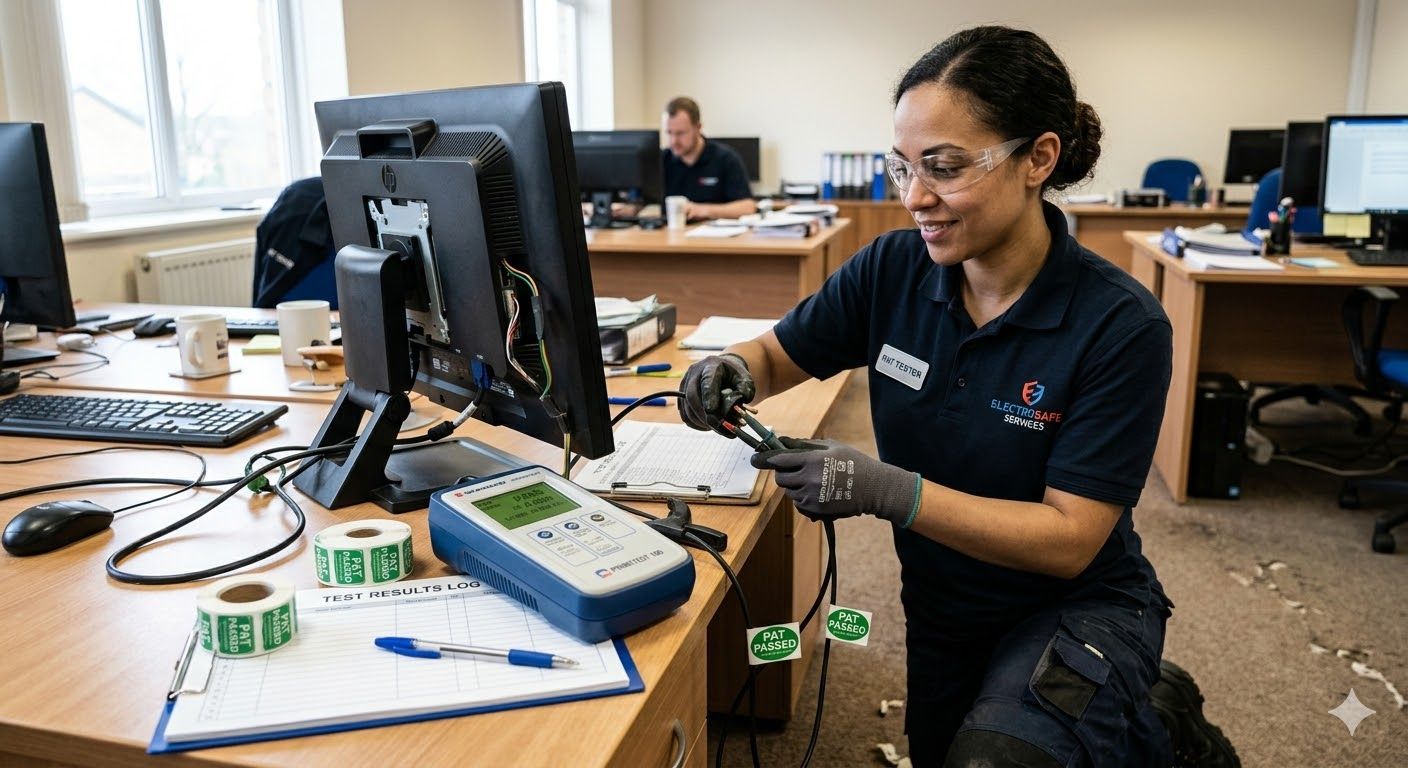
Portable Appliance Testing (PAT testing) remains one of the most important ways UK businesses, landlords, and organisations demonstrate electrical safety compliance. While many people believe PAT testing is a legal requirement, the reality is slightly more nuanced.

Legionella testing is a legal responsibility for UK landlords, employers and property managers responsible for water systems. While there has been no single new Legionella law introduced recently, enforcement bodies such as the Health and Safety Executive (HSE) have strengthened guidance and compliance expectations around Legionella testing and risk management. Understanding your legal duties is essential to avoid fines, prosecution and serious health risks such as Legionnaires' disease. What UK law says about Legionella testing Legionella control in the UK falls under several key pieces of legislation: Health and Safety at Work etc. Act 1974 Control of Substances Hazardous to Health Regulations 2002 (COSHH) Management of Health and Safety at Work Regulations 1999 These laws require duty holders to: Identify Legionella risks Carry out risk assessments Implement control measures Arrange Legionella testing where necessary Keep compliance records Failure to manage Legionella risks can result in unlimited fines and criminal prosecution. Is Legionella testing a legal requirement? UK law does not always specifically require routine Legionella testing , but it does require risk assessment and control. Testing becomes necessary when a risk assessment identifies it as part of your control scheme. According to HSE guidance under Approved Code of Practice L8 and HSG274, testing is usually required when: Water systems are complex Buildings are commercial There are vulnerable occupants Water is stored or recirculated Temperatures fall within Legionella growth range This means many businesses and landlords will require Legionella testing as part of compliance. Recent UK Legionella compliance updates Recent guidance updates have focused on improving compliance standards rather than introducing new laws. Key compliance expectations now include: Stronger record keeping requirements Duty holders must now be able to demonstrate active compliance through: Temperature monitoring logs Flushing records Testing reports Risk assessment reviews Written control schemes Poor documentation is one of the most common reasons businesses fail inspections. Risk assessments must be reviewed regularly HSE guidance now makes it clear risk assessments should be reviewed: If building use changes After plumbing alterations If properties become vacant If monitoring shows problems If there is a Legionella incident Best practice is typically every 1–2 years depending on risk level. Competent responsible person requirement UK law requires a designated "Responsible Person" to manage Legionella compliance. This person must be competent through: Training Experience Professional support External contractors if needed Legal responsibility cannot be outsourced even if contractors perform testing. Who legally needs Legionella testing? Legionella testing commonly applies to: Commercial properties Offices Warehouses Shops Restaurants Hotels Residential properties Landlords Letting agents HMOs Housing associations High-risk environments Care homes Schools Hospitals Gyms If you control the water system, you likely have legal duties. How often should Legionella testing be carried out? There is no single legal testing frequency. It depends on your risk assessment. Typical industry guidance suggests: High risk systems → quarterly testing Cooling towers → frequent sampling Commercial hot/cold systems → periodic testing Low risk residential → testing only if risks identified A risk-based approach is what regulators expect. What happens if you don't comply? Failure to manage Legionella risks can lead to: HSE enforcement notices Prosecution Unlimited fines Business disruption Reputational damage Recent prosecutions show regulators continue to actively enforce Legionella law. Professional Legionella testing services Working with a professional Legionella testing provider helps ensure: UKAS laboratory testing Compliant sampling procedures Clear compliance reports Risk reduction advice Legal peace of mind Professional testing also provides evidence of due diligence if inspected. Final thoughts on Legionella testing law Legionella compliance in the UK is about demonstrating ongoing risk management rather than just carrying out occasional tests. With regulators focusing heavily on documentation and proactive control, regular Legionella testing is becoming standard best practice for many organisations. If you are unsure about your compliance position, arranging a Legionella risk assessment and testing programme is the safest way to meet your legal obligations.
