The Complete Landlord Compliance Checklist

Anthony McGrath • March 29, 2026

Share this article

Being a landlord in the UK means more than just collecting rent. With tightening regulations and increased enforcement from local authorities, compliance is now a critical part of protecting your property, your tenants, and your investment.


This complete landlord compliance checklist covers the essential legal certificates, safety checks, and responsibilities required in 2026.

Why Landlord Compliance Matters More Than Ever


Regulations across the private rented sector continue to evolve, with increased focus on:


  • Tenant safety
  • Property standards
  • Energy efficiency
  • Documentation and audit trails


Failure to comply can result in:


  • Heavy fines
  • Legal action
  • Invalid eviction notices
  • Insurance issues
  • Rental restrictions


Staying organised with compliance checks is now considered best practice for professional landlords.


Essential Landlord Safety Certificates Checklist


Here are the core compliance requirements most UK landlords must maintain:


Gas Safety Certificate (CP12)


If your property has gas appliances, you must:


  • Arrange an annual gas safety inspection
  • Use a Gas Safe registered engineer
  • Provide tenants with a copy within 28 days
  • Keep records for at least two years


This is one of the most strictly enforced landlord requirements.


Electrical Installation Condition Report (EICR)


Electrical safety inspections are required:


  • Every 5 years
  • At the start of new tenancies if expired
  • By a qualified electrician
  • With remedial works completed within 28 days if required

Non-compliance can result in fines of up to £30,000.


Energy Performance Certificate (EPC)


Landlords must:


  • Have a valid EPC before marketing a property
  • Ensure the property is rated E or above
  • Renew every 10 years


Future regulations are expected to push higher efficiency standards, so improving ratings early can be beneficial.


Health and Safety Requirements


Smoke and Carbon Monoxide Alarms


Landlords must install:


  • Smoke alarms on every floor
  • Carbon monoxide alarms in rooms with fuel-burning appliances


These must be tested at the start of each tenancy.


Fire Safety (Especially HMOs)


If you own:


  • HMOs
  • Blocks of flats
  • Buildings with communal areas


You may need:


  • Fire risk assessments
  • Emergency lighting
  • Fire doors
  • Clear escape routes


Fire safety compliance is heavily enforced and can result in serious penalties if ignored.


Legionella Risk Assessment


Landlords must assess the risk of Legionella bacteria in water systems. While testing is not always required, a documented risk assessment is expected as part of health and safety duties.


This is particularly important in:


  • Empty properties
  • Properties with older plumbing
  • HMOs
  • Buildings with water tanks


Legal and Administrative Compliance


Deposit Protection

You must:


  • Protect tenant deposits within 30 days
  • Use a government approved scheme
  • Provide prescribed information


Failure can result in penalties of up to three times the deposit amount.


Right to Rent Checks

Landlords in England must verify tenants have the legal right to rent before the tenancy begins.


How to Rent Guide

You must provide the latest government How to Rent guide at the start of the tenancy.

Failure to provide this can affect your ability to serve certain eviction notices.


Property Management Compliance


Professional landlords also stay compliant by ensuring:


  • PAT testing of supplied appliances (recommended best practice)
  • Regular property inspections
  • Maintenance records
  • Contractor certifications
  • Insurance compliance checks


Many landlords now bundle compliance services annually to simplify management.


HMO Licensing (If Applicable)


You may need an HMO licence if:

  • You rent to 3 or more tenants
  • Tenants form more than one household
  • Facilities are shared


Additional rules may include:

  • Minimum room sizes
  • Waste management plans
  • Additional fire safety measures


Always check your local council rules.


Landlord Compliance Best Practice Checklist


Professional landlords typically track:


✔ Gas Safety Certificate (annual)
✔ EICR (5 yearly)
✔ EPC (10 yearly)
✔ Smoke & CO alarms
✔ Legionella risk assessment
✔ Deposit protection
✔ Right to Rent checks
✔ Property licensing (if required)
✔ Maintenance records
✔ Insurance compliance


How Landlords Can Simplify Compliance


Many landlords now use annual compliance schedules to avoid missed deadlines. This often includes bundling services such as:


  • Electrical testing
  • Legionella assessments
  • PAT testing
  • Property inspections
  • Safety documentation


This approach is particularly useful for landlords with multiple properties or property managers overseeing portfolios.


Final Thoughts


Landlord compliance in 2026 is about being proactive rather than reactive. Keeping certificates up to date, documenting safety checks, and working with competent contractors helps protect both tenants and your long-term investment.


For landlords, letting agents, and property managers, having a clear compliance checklist is now essential for responsible property management.

Recent Posts

By Anthony McGrath March 29, 2026
Houses in Multiple Occupation ( HMOs ) can generate strong rental yields, but they also come with stricter legal responsibilities. Licensing rules are actively enforced by councils across the UK, and failure to comply can lead to significant fines or rent repayment orders.
By Anthony McGrath March 29, 2026
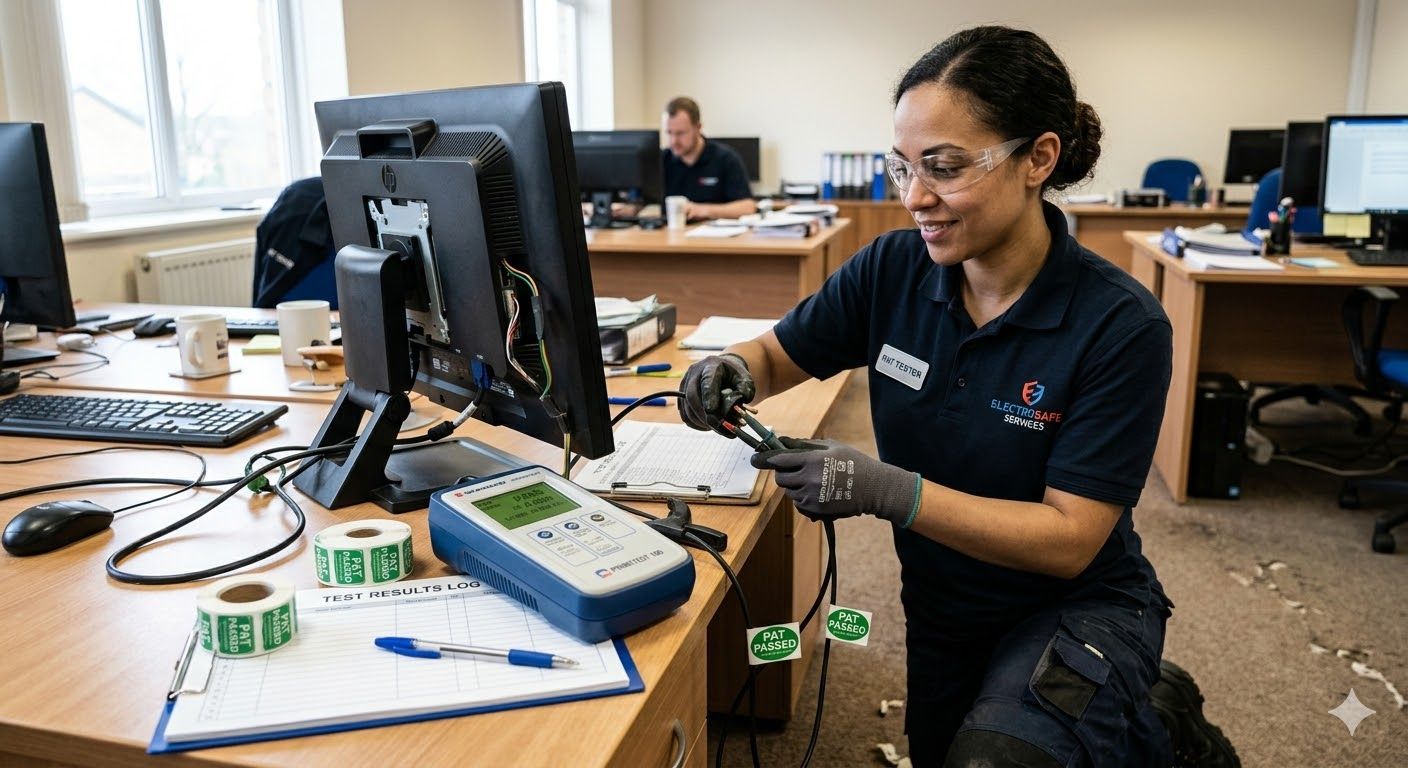
Portable Appliance Testing (PAT testing) remains one of the most important ways UK businesses, landlords, and organisations demonstrate electrical safety compliance. While many people believe PAT testing is a legal requirement, the reality is slightly more nuanced.
By Anthony McGrath March 29, 2026
Legionella testing is a legal responsibility for UK landlords, employers and property managers responsible for water systems. While there has been no single new Legionella law introduced recently, enforcement bodies such as the Health and Safety Executive (HSE) have strengthened guidance and compliance expectations around Legionella testing and risk management. Understanding your legal duties is essential to avoid fines, prosecution and serious health risks such as Legionnaires' disease. What UK law says about Legionella testing Legionella control in the UK falls under several key pieces of legislation: Health and Safety at Work etc. Act 1974 Control of Substances Hazardous to Health Regulations 2002 (COSHH) Management of Health and Safety at Work Regulations 1999 These laws require duty holders to: Identify Legionella risks Carry out risk assessments Implement control measures Arrange Legionella testing where necessary Keep compliance records Failure to manage Legionella risks can result in unlimited fines and criminal prosecution. Is Legionella testing a legal requirement? UK law does not always specifically require routine Legionella testing , but it does require risk assessment and control. Testing becomes necessary when a risk assessment identifies it as part of your control scheme. According to HSE guidance under Approved Code of Practice L8 and HSG274, testing is usually required when: Water systems are complex Buildings are commercial There are vulnerable occupants Water is stored or recirculated Temperatures fall within Legionella growth range This means many businesses and landlords will require Legionella testing as part of compliance. Recent UK Legionella compliance updates Recent guidance updates have focused on improving compliance standards rather than introducing new laws. Key compliance expectations now include: Stronger record keeping requirements Duty holders must now be able to demonstrate active compliance through: Temperature monitoring logs Flushing records Testing reports Risk assessment reviews Written control schemes Poor documentation is one of the most common reasons businesses fail inspections. Risk assessments must be reviewed regularly HSE guidance now makes it clear risk assessments should be reviewed: If building use changes After plumbing alterations If properties become vacant If monitoring shows problems If there is a Legionella incident Best practice is typically every 1–2 years depending on risk level. Competent responsible person requirement UK law requires a designated "Responsible Person" to manage Legionella compliance. This person must be competent through: Training Experience Professional support External contractors if needed Legal responsibility cannot be outsourced even if contractors perform testing. Who legally needs Legionella testing? Legionella testing commonly applies to: Commercial properties Offices Warehouses Shops Restaurants Hotels Residential properties Landlords Letting agents HMOs Housing associations High-risk environments Care homes Schools Hospitals Gyms If you control the water system, you likely have legal duties. How often should Legionella testing be carried out? There is no single legal testing frequency. It depends on your risk assessment. Typical industry guidance suggests: High risk systems → quarterly testing Cooling towers → frequent sampling Commercial hot/cold systems → periodic testing Low risk residential → testing only if risks identified A risk-based approach is what regulators expect. What happens if you don't comply? Failure to manage Legionella risks can lead to: HSE enforcement notices Prosecution Unlimited fines Business disruption Reputational damage Recent prosecutions show regulators continue to actively enforce Legionella law. Professional Legionella testing services Working with a professional Legionella testing provider helps ensure: UKAS laboratory testing Compliant sampling procedures Clear compliance reports Risk reduction advice Legal peace of mind Professional testing also provides evidence of due diligence if inspected. Final thoughts on Legionella testing law Legionella compliance in the UK is about demonstrating ongoing risk management rather than just carrying out occasional tests. With regulators focusing heavily on documentation and proactive control, regular Legionella testing is becoming standard best practice for many organisations.  If you are unsure about your compliance position, arranging a Legionella risk assessment and testing programme is the safest way to meet your legal obligations.
